The Connection Between Verified Transaction Networks and Preferred Variations in Virtual Card Encounters
Leon Hansen · Sep 25, 2026
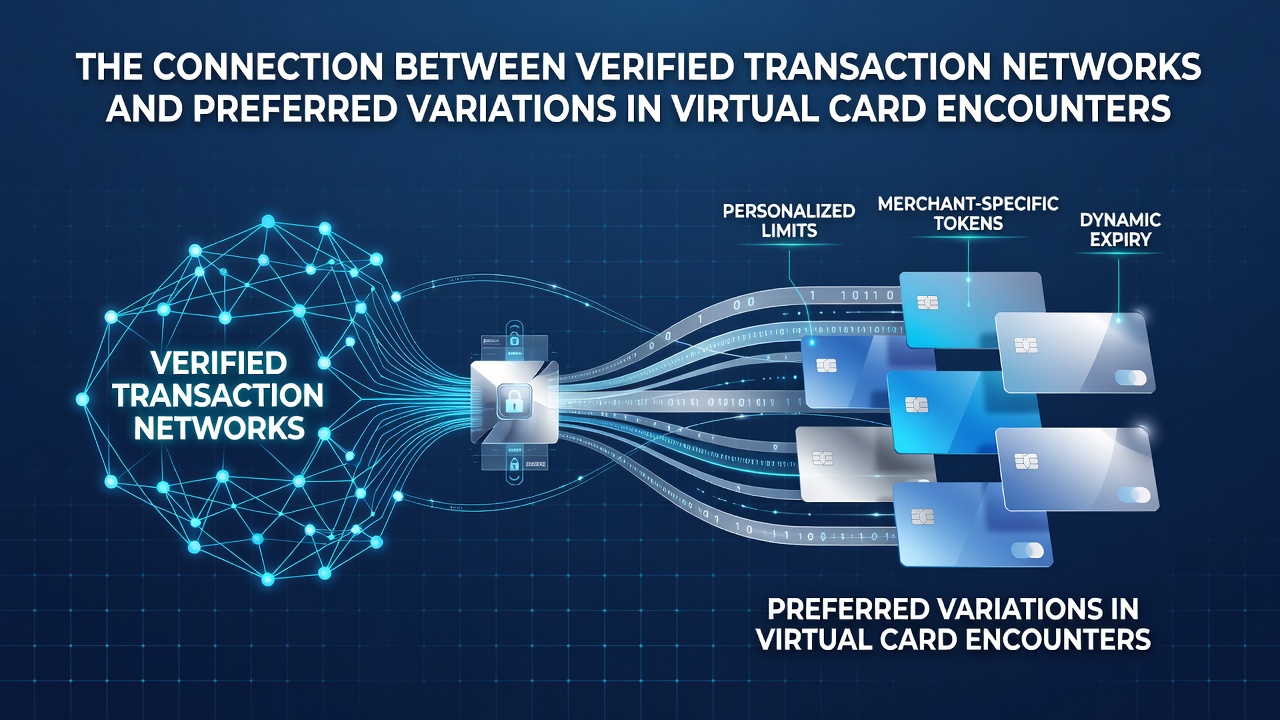
The Connection Between Verified Transaction Networks and Preferred Variations in Virtual Card Encounters
Verified transaction networks form the backbone of modern online gaming platforms, where secure payment channels connect directly to player choices in virtual card encounters such as blackjack variants, baccarat formats, and poker styles. These networks, including bank transfers, e-wallets, and card processors with verification protocols, determine deposit speeds, withdrawal limits, and bonus eligibility that in turn shape which game variations attract sustained participation.
Core Elements of Verified Transaction Networks
Transaction networks undergo rigorous verification processes that confirm user identity, monitor fund flows, and enforce regional compliance standards, which creates stable environments for virtual card play. Data from the New Jersey Division of Gaming Enforcement shows that platforms using multi-layered verification saw a 12 percent rise in processed card game transactions during the first half of 2026, particularly in states with regulated online markets. Observers note that these systems reduce processing times from days to minutes while maintaining audit trails that satisfy both operators and regulators.
Variations Within Virtual Card Encounters
Virtual card encounters encompass multiple rule sets and table configurations, from single-deck blackjack with favorable player odds to multi-deck European variants that alter dealer hit rules and payout structures. Preferred formats often hinge on how quickly funds clear through verified channels, since certain networks impose daily caps that influence session length and stake levels. Researchers at the University of Nevada, Reno documented shifts in player selection toward Atlantic City-style blackjack when instant verification options became available, as these setups align with higher table minimums and side bet features.
How Networks Influence Game Preferences
Secure networks enable features like instant reload bonuses tied to specific card variations, which guides players toward formats that reward frequent small deposits. In September 2026, industry reports indicated increased activity in virtual baccarat side bets among users of verified e-wallet systems, since those channels support rapid top-ups without the delays common in traditional bank wires. Players often gravitate toward variations with lower house edges when transaction fees stay minimal, because reduced costs preserve bankrolls across extended sessions. This pattern emerges clearly in markets where operators link verified status to exclusive table access, creating direct pathways from payment approval to preferred game rules.
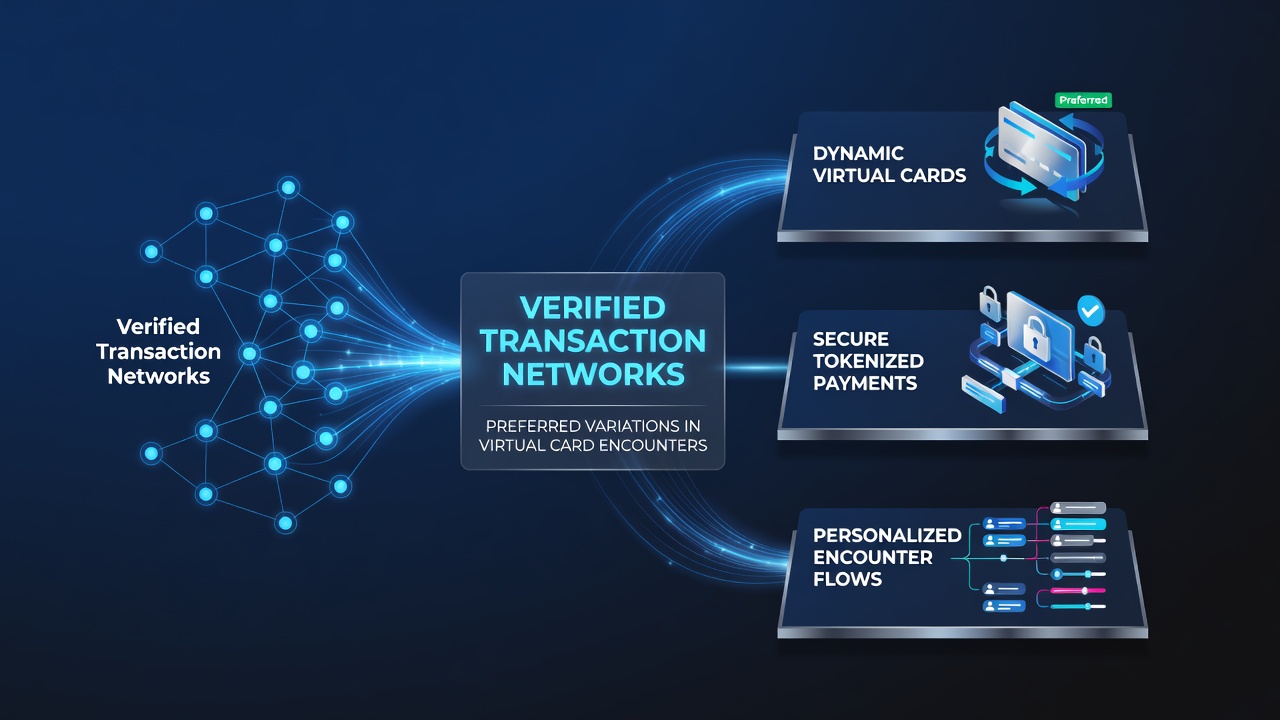
Case studies from Ontario's regulated iGaming market reveal that participants using verified debit networks selected multi-hand blackjack formats 18 percent more often than those relying on slower ACH transfers. The connection stems from real-time balance updates that let players chase progressive side bets without interruption, while unverified methods force longer waits that disrupt momentum. Experts tracking these trends point out that verification tiers also affect geographic preferences, as European users favor networks supporting instant crypto conversions that open French roulette hybrids with unique card-draw mechanics.
Regional Patterns and Data Trends
Across North American and Australian markets, verified networks correlate with higher engagement in skill-influenced card variations like video poker hybrids, where precise bankroll management matters. Figures from the Australian Gambling Research Centre indicate that platforms offering verified instant transfers recorded elevated play volumes in September 2026 for Caribbean stud poker variants, attributed to seamless integration with loyalty tracking. Those who study transaction logs find that higher verification levels unlock table stakes and rule tweaks unavailable through basic payment routes, steering traffic toward premium virtual card options.
Technical Integration and Player Pathways
Operators embed verified network APIs directly into game lobbies, so payment confirmation instantly unlocks variation-specific promotions. This integration creates measurable differences in session duration and game selection, with data showing that verified users explore more rule modifications within single visits. The reality is that slower networks push players toward simpler blackjack tables, whereas fast verified channels support complex multi-bet formats that demand quick fund movements.
Conclusion
The interplay between verified transaction networks and virtual card preferences rests on speed, limits, and compliance features that shape accessible game options. As platforms refine these connections through 2026, patterns in player behavior continue to reflect the technical capabilities of each payment channel, with regional data underscoring consistent links between verification strength and favored card variations.